
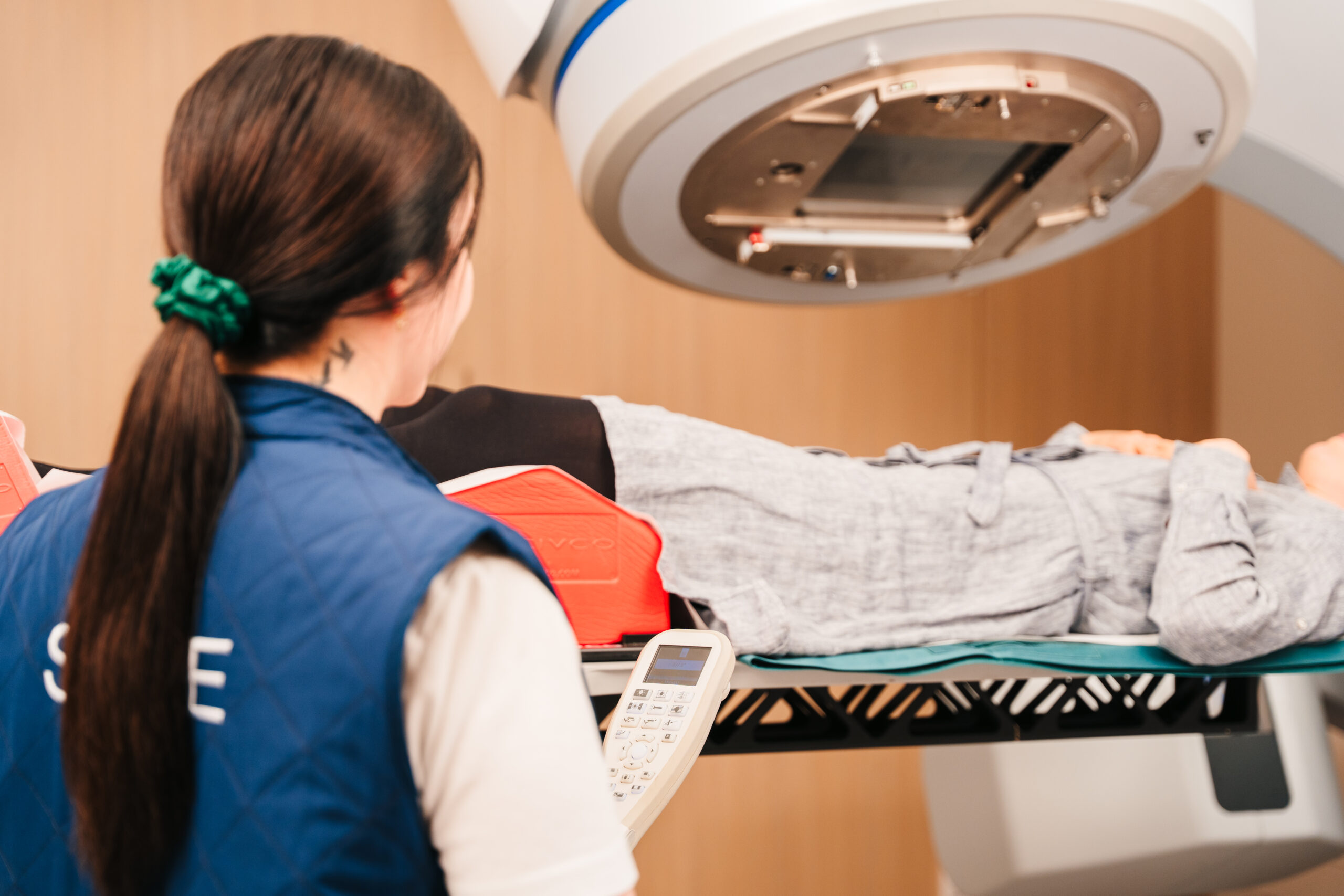
The quality of cancer care, regional differences in treatment outcomes, and access to treatment have recently been the subject of public discussion. Comprehensive and comparable information on how patients are treated and what outcomes are achieved is essential for evaluating and improving the quality and equity of care.
“As the study expands to new cancer types, we will gain a more comprehensive understanding of how cancer care is delivered in Finland and what outcomes are achieved. We can also identify potential shortcomings and regional disparities in the quality of care and use these findings to improve care,” says Jonna Salonen, Director of Quality Registry Operations at the Finnish Institute for Health and Welfare (THL).
Earlier reports revealed gaps in the completeness of treatment data
The previously published reports on lung cancer and myeloma demonstrated that linking national registry data makes it possible to assess both the delivery of care and treatment outcomes. At the same time, they highlighted significant shortcomings in data completeness.
For example, information on cancer stage at diagnosis is available nationwide for fewer than half of all cancer cases. Disease stage is a key factor in evaluating treatment options and prognosis.
In some regions, the reporting of clinical data to the Finnish Cancer Registry has already been automated, allowing data to be transferred directly from electronic patient record systems without a separate notification form. However, such solutions are still uncommon.
“Treatment data are not transferred to the registry comprehensively enough. Through this research, we are examining how the availability and comparability of data can be improved. Piloting different cancer types helps identify the concrete development needs required for establishing permanent national quality monitoring,” says Timo Nykopp, Chief Physician at the Finnish Cancer Center FICAN.
Continuation of quality registry work requires funding
The long-term goal is to establish permanent nationwide monitoring of the quality of cancer care in Finland. Achieving this will require agreement on responsibilities and sustainable funding. However, funding for the continuation of the work has not yet been secured.
“The quality registry project has already generated valuable information on cancer care and its outcomes. However, the continuation of this work must be ensured so that we can build a permanent national quality registry system. Without funding, there is a risk that this promising initiative will remain unfinished,” says Janne Pitkäniemi, Director of the Finnish Cancer Registry.
The Finnish Institute for Health and Welfare (THL), the Finnish Cancer Registry, and Comprehensive Cancer Center Finland (FICAN) are jointly investigating the establishment of a national cancer quality registry in a project running until the end of 2027.
Further Information:
Janne Pitkäniemi, Director, Finnish Cancer Registry
janne.pitkaniemi@cancer.fi
Timo Nykopp, Chief Physician, Finnish Cancer Center FICAN
timo.nykopp@hus.fi
Jonna Salonen, Director of Quality Registry Operations, Finnish Institute for Health and Welfare (THL)
jonna.salonen@thl.fi
Previous Results:
