
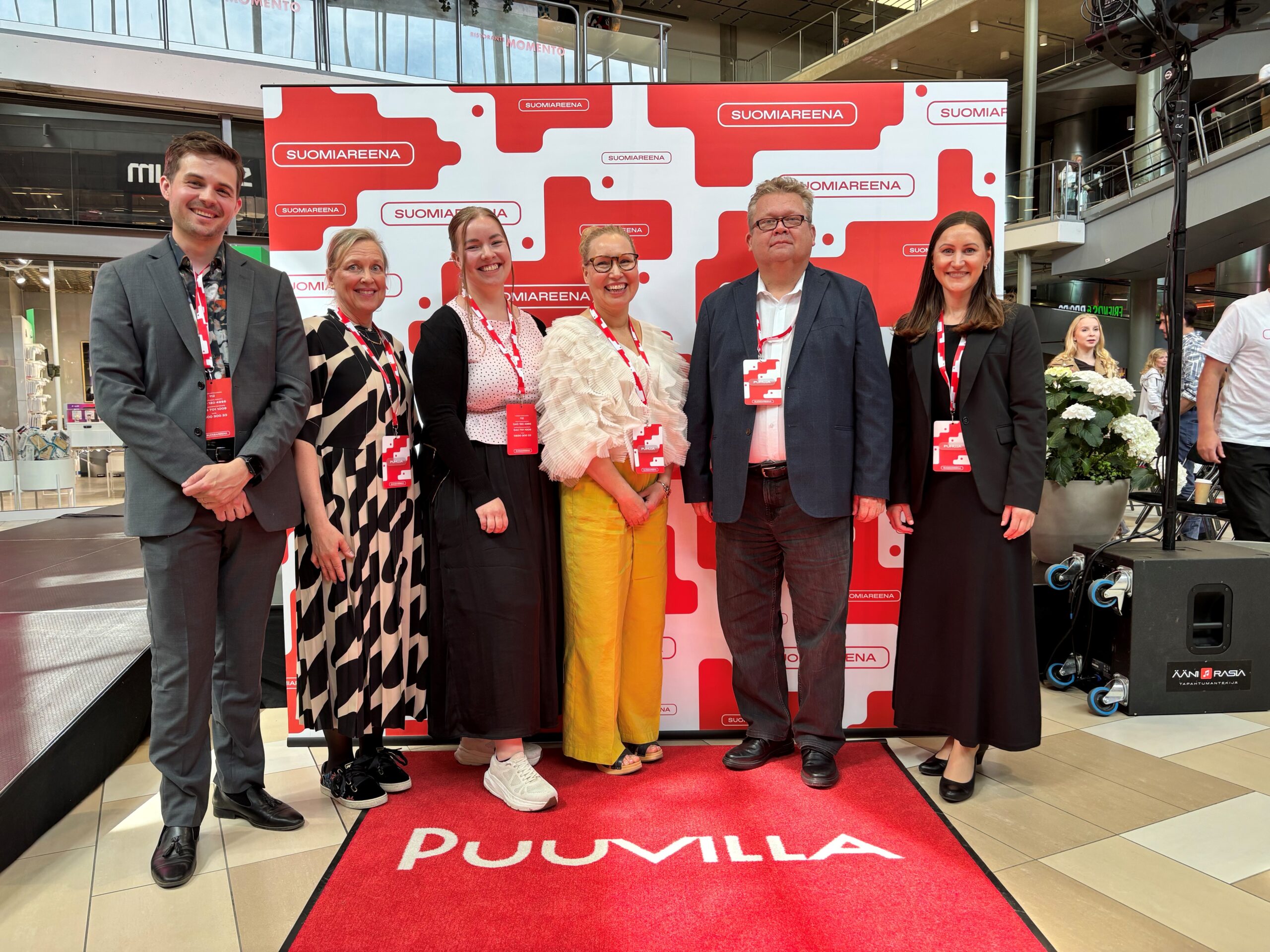
The panel discussion included Oncologist, Docent and Service Area Director of the Oulu University Hospital Hanne Kuitunen, who also acts as the chair of the FICAN national management board, Nurse and Chairman of The Gynecological Cancerpatients in Finland Taru Salovaara, Oncologist and Radiation Therapy Specialist, Docent and Docrates Mehiläinen Responsible Physician Leila Vaalavirta, Doctor of Medicine, Pulmonary Specialist and Chief Physician at the Pulmonary Clinic at HUS Porvoo Hospital Heikki Ekroos, as well as SDP Member of Parliament Lotta Hamari. The panel was hosted by Johannes Malkamäki.
Strengthening primary health care to improve treatment outcomes
The current challenges faced in cancer treatment and access to care have been under discussion in the Finnish media this spring. The delays in treatment access times, regional and socioeconomical inequalities, as well as the fragmented knowledge base are issues also recognized by Finland’s National Cancer Strategy. In the panel, discussion was focused on how the direction of cancer care in Finland can be changed, as well as how to ensure the treatment outcomes of even poor prognosis cancers can be improved again.
As solutions to improve treatment outcomes, panelists unanimously proposed strengthening primary health care, nationwide introduction of the personal doctor or personal treatment team -model, as well as ensuring the continuity of care. Lotta Hamari brought forward the proposal to return the primary health care treatment guarantee to two weeks. Additionally, the significance of nationwide, uniform and public treatment guidelines was emphasized in the discussion. The treatment guidelines should have clear target times for e.g. treatment access, and they should take in to consideration the whole treatment pathway, all the way from primary health care to specialized care and back to primary health care follow-up. Taru Salovaara highlighted the significance of holistic treatment, rehabilitation and follow-up, as well as consideration of latent effects. Quality registries and their sufficient resourcing were considered essential for monitoring and developing treatment outcomes and the quality of care. In addition, supplementary education for healthcare personnel was considered important, as cancer diagnostics and treatments continue to develop rapidly.
The strategy’s implementation needs to be closely tied with the activities of the ministries and wellbeing service counties, and it must be given sufficient funding, all panelists agreed.
Increasing clinical trials in Finland
The amount of clinical trials in Finland has been in a concerning decline. One of the goals set by the new cancer strategy is for 10% of Finnish cancer patients to take part in intervention studies, an aim which panelists considered to be very important. The increase in the number of clinical trials in Finland will require the development of researcher career paths and the allocation of sufficient working time for conducting clinical research for both physicians and research nurses.
Hanne Kuitunen emphasized, that clinical drug trials make new treatments accessible to patients at an early stage. Panelists also noted that, in order for new treatments to be effectively compared to current practices, the standard treatment received by patients must be at an international level.
Better treatment outcomes through successful cancer strategy implementation
Despite challenges, the panelists are hopeful. The cancer strategy has received strong support from various actors in the field, and the goals are shared. Heikki Ekroos and Leila Vaalavirta noted the significant advances made in diagnostics and treatments, which are reflected in significant increases in survival time length for certain types of cancer, bringing hope to patients and professionals involved in clinical work.
Lotta Hamari ended the panel discussion emphatically: we have a great cancer strategy, implementation is detrimental.
A warm thank you to all panelists for the important discussion!
You can watch the recording of the full panel discussion from the link below (in Finnish):
